Protecting communities from the everyday harms that rarely make headlines.
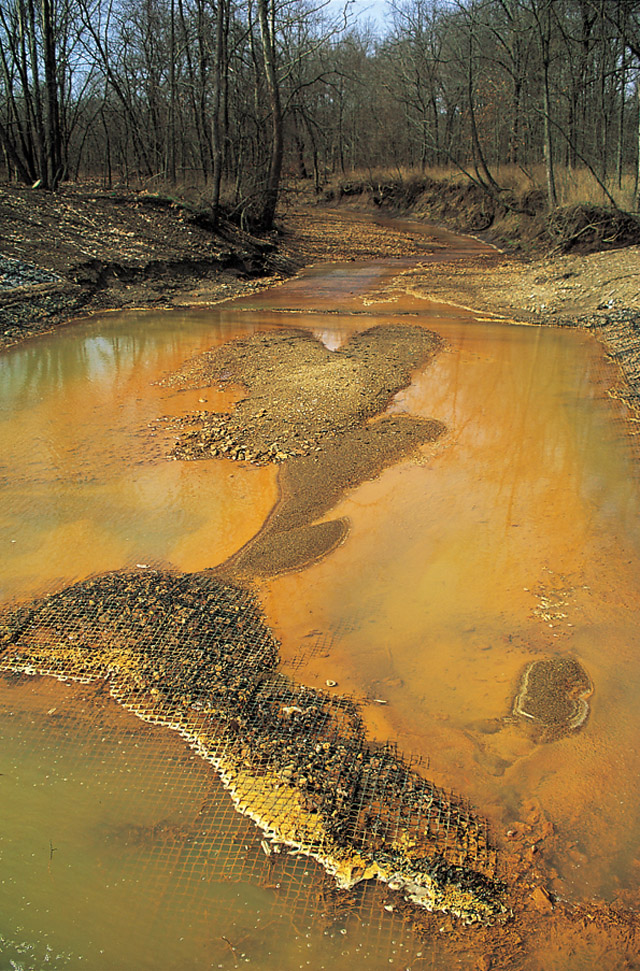
For people who live in coal country, water and air quality aren’t abstract environmental issues, they are daily realities. Families rely on private wells, small community water systems, backyard gardens, and the same air their children play in. When mining and coal-related pollution go unchecked, the impacts show up close to home: in tap water that stains sinks orange, dust that settles on porches, and streams that once held trout but now run lifeless.
Across Appalachia, the Midwest, and the West, communities have been navigating these problems for generations. What they consistently tell us is simple: they want clean water, clean air, and a regulatory system that takes their health seriously.
When Water Is No Longer Safe
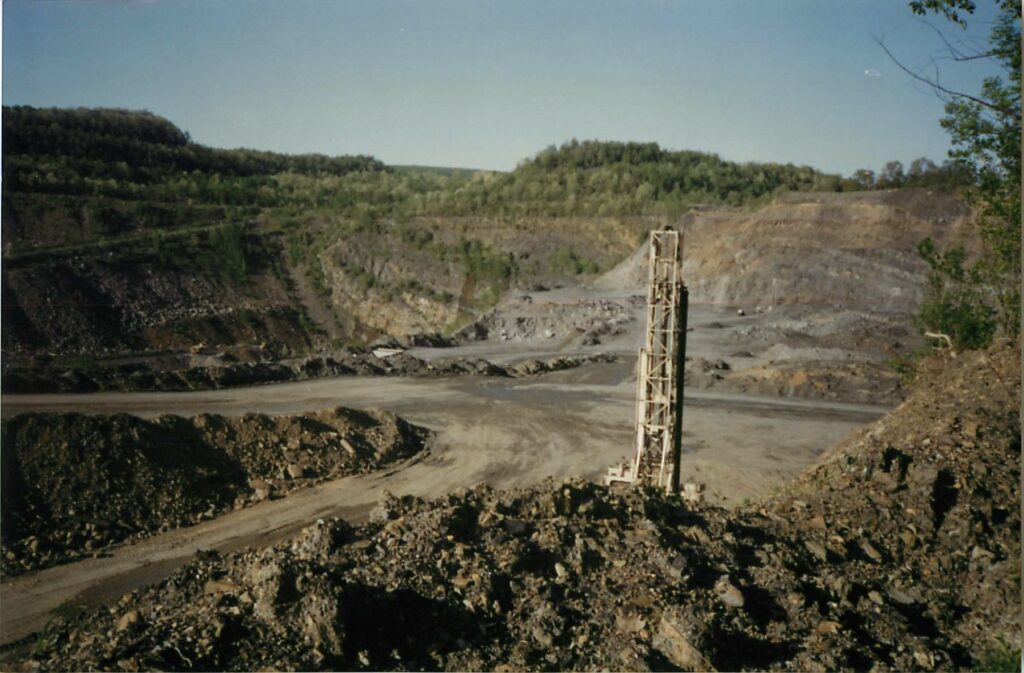
Mining doesn’t just reshape the land, it reshapes the water beneath it. Underground mining, especially longwall operations, can fracture aquifers and redirect groundwater. Surface mines can leave behind acidic soils and toxic spoil piles. And abandoned mines continue leaking pollution decades after companies walk away.
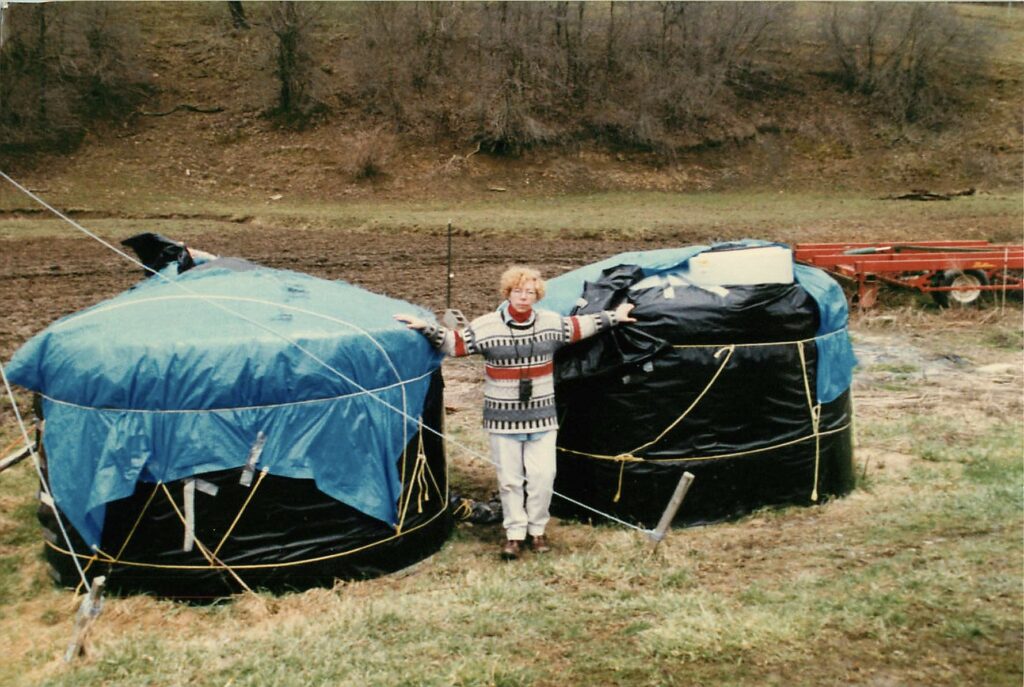
Common water impacts include:
- Wells that go dry or turn cloudy
- Iron, manganese, or sulfate contamination
- Acid mine drainage that strips oxygen and life from streams
- Polluted runoff after heavy rains
Our well was fine for 30 years, and then the mining started.
– Greene County, Pennsylvania resident
For many households, there is no municipal backup. A contaminated or damaged well can mean hauling water, relying on deliveries, or facing expensive treatment systems that the mining company may or may not be compelled to fix.
Air Quality: The Dust You Can See, and the Pollution You Can’t
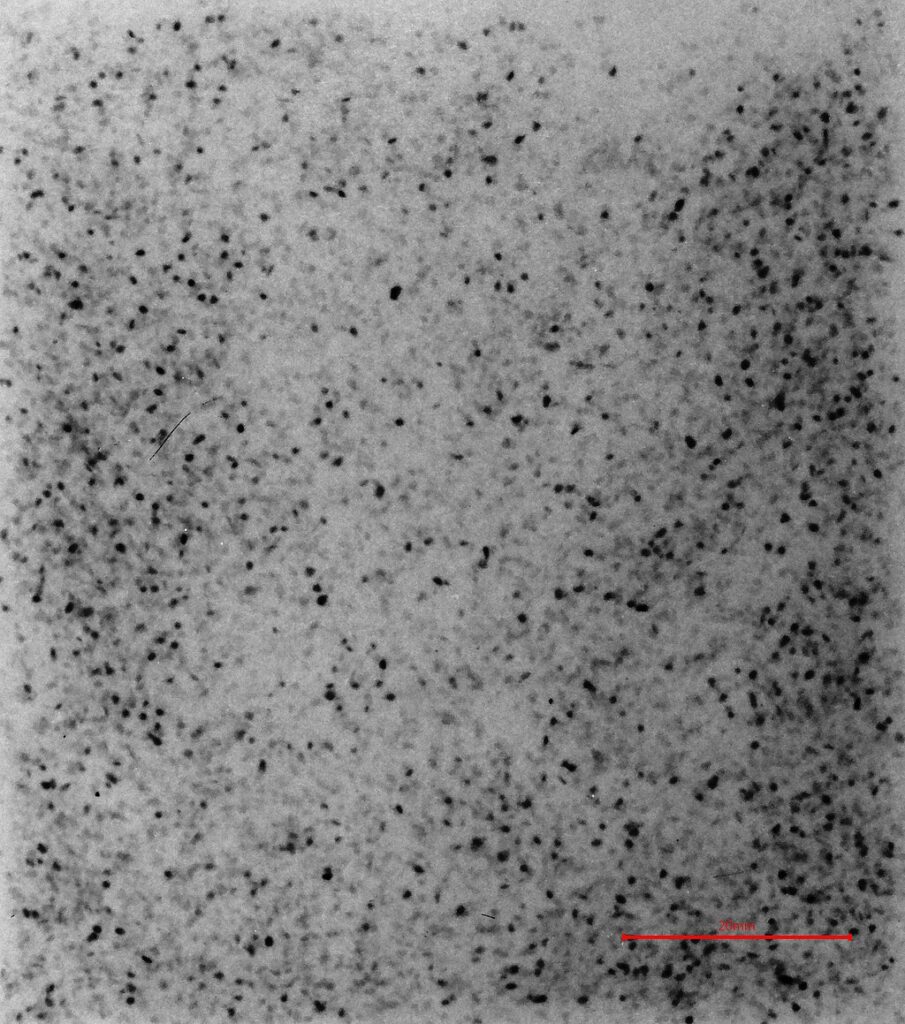

Coal impacts the air in both visible and invisible ways. Communities near mines, haul roads, or processing facilities often face:
- Coal dust coating porches, cars, and windowsills
- Diesel exhaust from trucks and heavy equipment
- Blasting emissions
- Fine particulate matter that can worsen asthma and heart disease
Air monitoring stations are often miles away from the communities most at risk, which means official data can underestimate what residents breathe every day.
“We stopped hanging laundry outside years ago.”
– Resident near a surface mine haul road
Health Impacts: What Communities Report
While agencies often demand “proof” that pollution causes health problems, people living near mining sites report the same patterns over and over again:
- Chronic respiratory issues
- Skin irritation from bathing in contaminated water
- Headaches linked to blasting vibrations and fumes
- Increased stress, sleep disruption, and anxiety
- Long-term concerns about cancer risk or developmental impacts
These concerns deserve more than dismissive responses or incomplete investigations. Communities shouldn’t have to be their own scientists or lawyers to get basic protections.
A Future Where Families Don’t Have to Fight for the Basics
Water and air are the starting points for a healthy community. No one should have to worry that the water in their tap or the dust on their windowsill is slowly making them sick. The legacy of coal mining doesn’t have to define the future of coalfield towns- but only if residents, advocates, and watchdog organizations keep pushing for the protections that should have been there all along.

CCC is committed to supporting that work, amplifying community voices, and holding agencies accountable so every family can breathe easier and drink safely.