How a highly mechanized mining method reshapes land, water, climate and communities across the United States
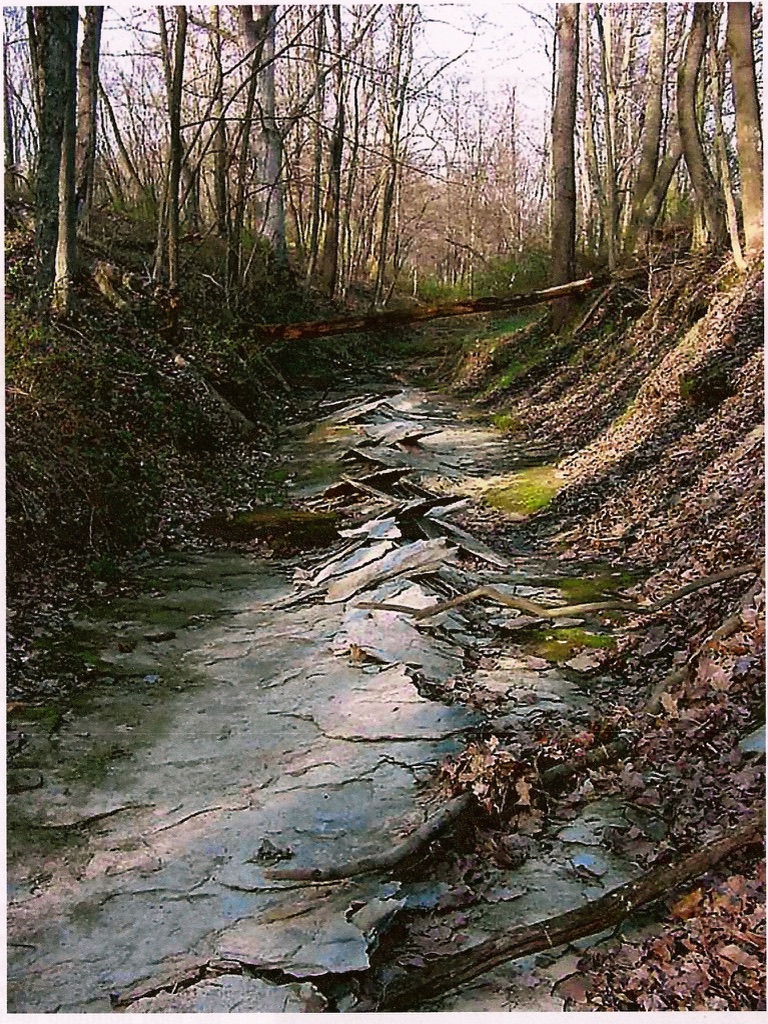
Longwall mining isn’t new, but the way it is practiced today- and the speed at which it moves beneath communities- has created a quiet crisis that many people don’t see until the ground starts shifting beneath them. Pennsylvania has lived with this reality longer than almost anywhere else, and what we’ve learned here has implications for coalfield communities nationwide.
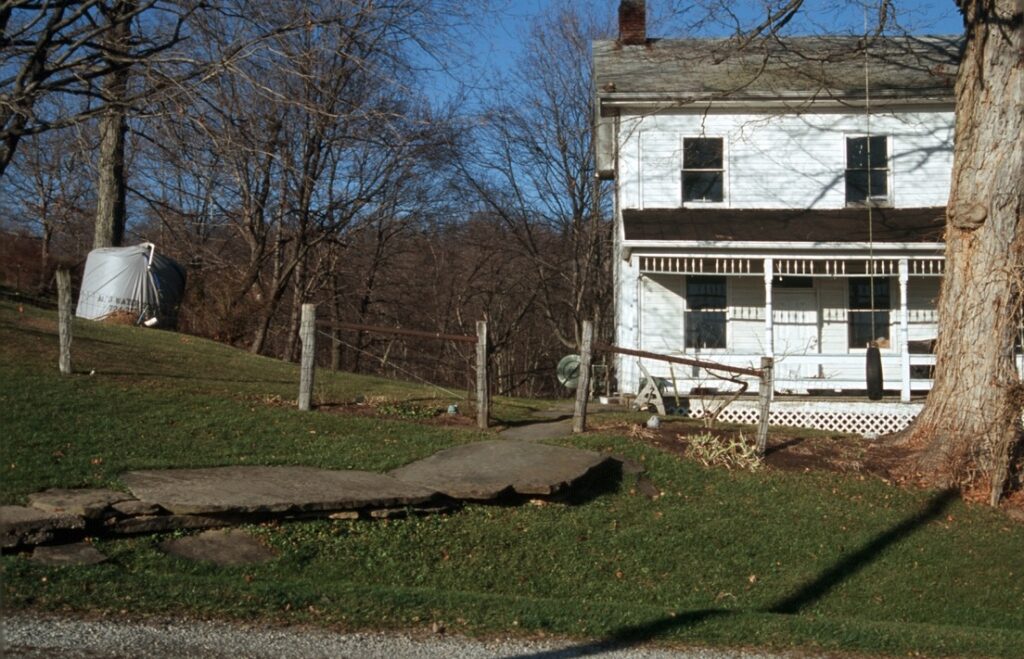
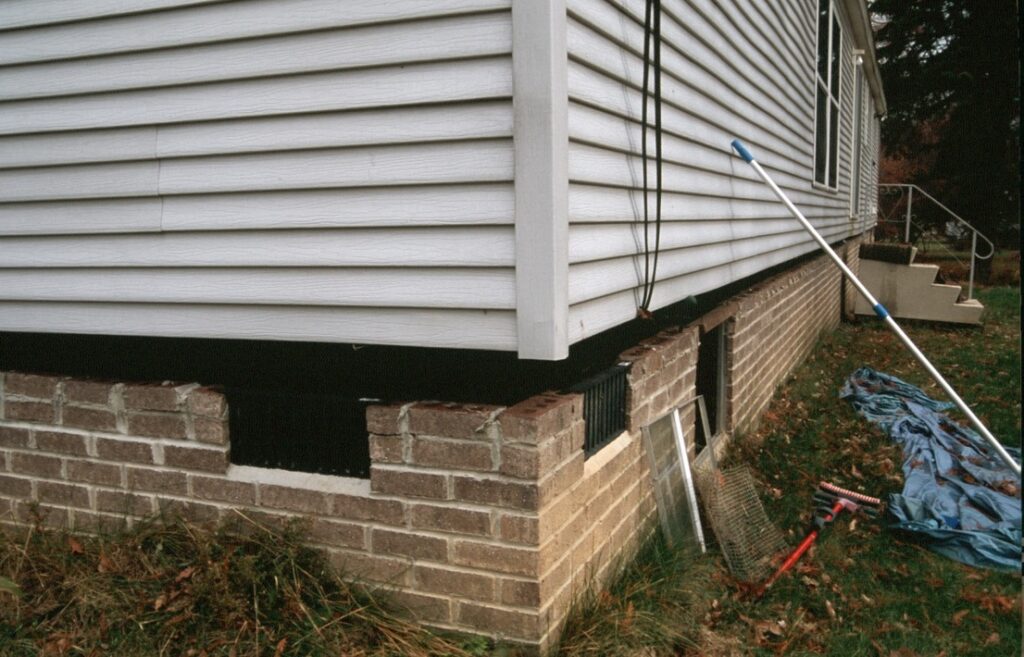
At its simplest, longwall mining cuts away a massive block of coal using a mechanized shearer while hydraulic shields temporarily hold up the roof. Once the machinery moves forward, the roof is allowed to collapse. And when the roof collapses underground, the surface moves too. Homes, streams, wells, farmland, and roads can drop, tilt, crack, or drain. These aren’t isolated incidents. They’re predictable outcomes of the method itself.
The damage isn’t random. It’s built into the design of longwall mining.
Pennsylvania’s Act 54 reports were originally created to track exactly these sorts of impacts. Over the last 25+ years, these reports- and independent reviews- have revealed a consistent pattern: the damage is significant, often permanent, and the regulatory response is too weak, too slow, and too disconnected across agencies.
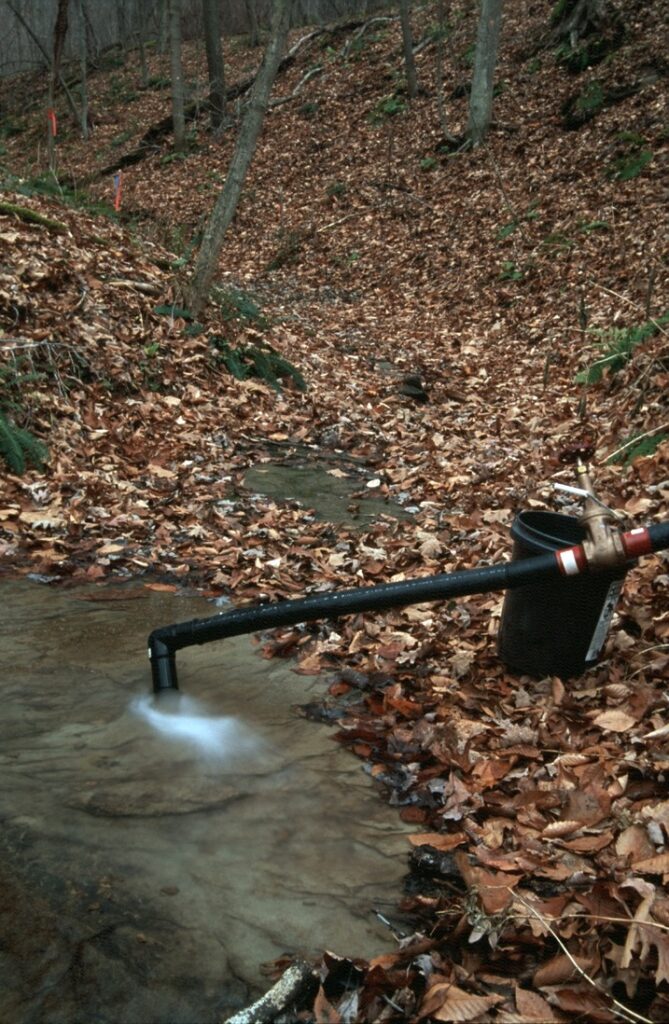
Communities have seen streams that once flowed year-round reduced to intermittent trickles- or dry up altogether- after longwall panels passed beneath them. Groundwater disappears into new fractures created by subsidence. Efforts to “fix” these streams often involve grouting thousands of feet of bedrock, a costly and rarely successful approach. And families living above active mines can wait months or years for structural damage to be repaired.
These issues aren’t limited to Pennsylvania. States like Illinois, Alabama, Utah, and West Virginia have seen similar impacts. But Pennsylvania’s unusually detailed record-keeping (even with its flaws) offers one of the clearest national pictures of what longwall mining really leaves behind.
What the Data Shows: 25+ Years of Act 54 Reporting
- Persistent findings across multiple review cycles include:
- Record-keeping deficiencies undermine the state’s ability to evaluate long-term trends.
- Streams often fail to recover after subsidence, even with attempted remediation.
- Water loss from wells, springs, and wetlands is more widespread than originally predicted.
- Regulatory oversight remains fragmented, with water, mining, and enforcement divisions often working in silos.
- Damage claims take far too long to resolve, leaving families and farmers in limbo.
A National Issue with Pennsylvania as the Case Study
Because longwall mining was adopted early and intensively in southwestern Pennsylvania, the state has decades of experience that other states are only now beginning to confront. The same patterns of damage, under-reporting, and regulatory gaps popping up in Pennsylvania are mirrored in other coal-producing regions.
This is why Citizens Coal Council has spent so much time analyzing Act 54 reports, filing comments, and pushing both state and federal agencies to take the evidence seriously. These aren’t academic exercises—they’re necessary to force agencies to acknowledge what communities have been saying for years.
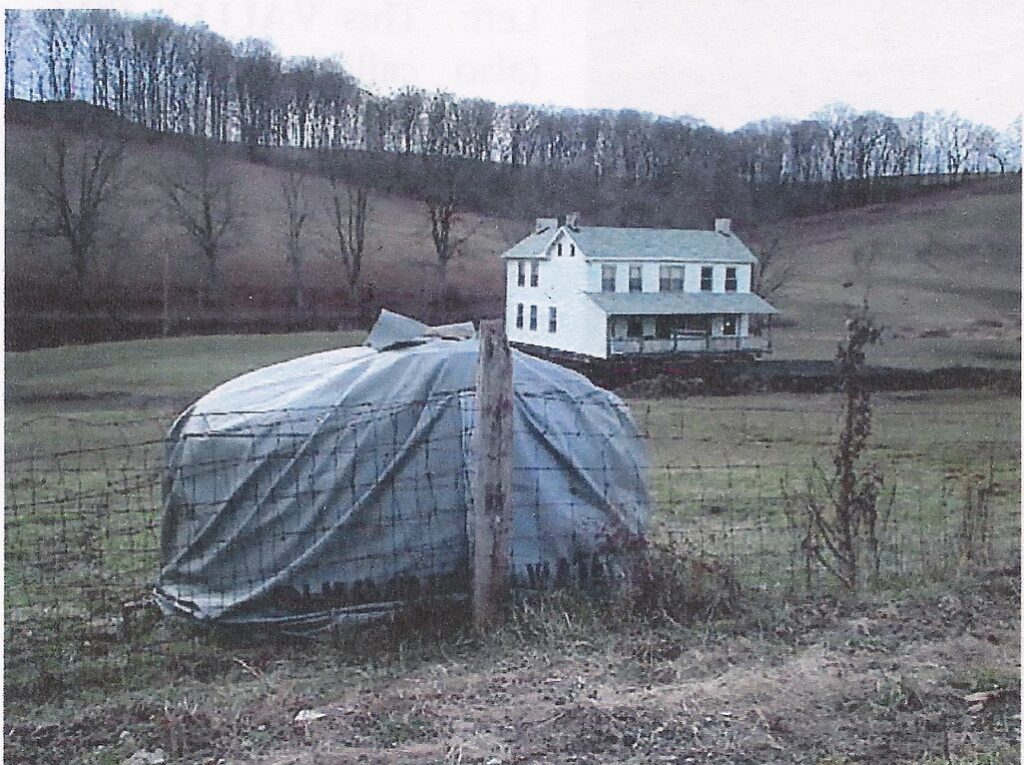
Longwall mining may take place underground, but its consequences are everywhere above it.
Why Oversight Matters
Mining companies often highlight longwall mining’s “efficiency,” but that efficiency ignores the long-term consequences: stream loss, damaged homes, and fractured farmland. Once the coal is gone, communities are left to deal with fallout that can last decades.
Strong oversight is not anti-mining. It’s pro-community.
Our goal is simple: to make sure that the lived experiences of coalfield residents, and the lessons documented in decades of monitoring, inform the protections that are urgently needed. Without stronger rules, more transparent data, and consistent enforcement, these impacts will continue and expand into other states where longwall mining is increasing.
Key CCC Reports on Longwall Mining
Undermining Trust (2021)
A deep review showing how expectations built into Act 54 never matched the reality of longwall’s impacts.
Longwall Mining A to Z (2016)
An accessible introduction for community members and policymakers.
Stream Protection in PA (2017)
Examines what really happens to waterways when mining moves underneath them.
The Illusion of Environmental Protection (2014)
A case study revealing persistent flaws in the permitting process.
Act 54 Review Analyses (2011, 2015)
Reports showing chronic underreporting, inconsistent enforcement, and lasting damage to water and land.
Looking Ahead
The story of longwall mining is not just about extraction. It’s about whose interests are protected and whose are overlooked. Communities deserve better, and the evidence gathered over more than two decades makes that clear. CCC will continue working with coalfield residents, researchers, and regulators to ensure these impacts aren’t ignored and that future policies reflect the real cost longwall mining imposes on people and ecosystems.