A Century of Coal: Power, Identity, and Dependence
For more than 100 years, coal shaped the American landscape- physically, economically, and culturally. It powered factories, fueled steel production, and provided generations of families with stable, union-backed jobs. Entire towns grew around the rhythms of coal extraction.
But the same dependency that built these regions would eventually make them more vulnerable than almost any other part of the country.
Coal didn’t just power America; it defined entire communities. Its decline is reshaping them just as profoundly.
The Forces Behind Coal’s Decline
Coal’s collapse is not the result of a single political decision or environmental regulation. It is the product of overlapping forces:
Market Disruption
- Utility companies shifted to cheaper, more flexible energy sources.
- Natural gas became significantly cheaper and more abundant after the mid-2000s fracking boom.
Natural gas surpassed coal as the dominant U.S. electricity source in 2016.
Technological Change
- Renewable energy-once marginal-became the lowest-cost power source in much of the country.
- Solar and wind installation costs fell over 80% in a decade.
In 2023, 82% of all new U.S. electricity capacity came from renewable energy.
Industry Mismanagement
- Coal corporations took on massive debt loads in the 2000s boom years.
- Executives paid themselves bonuses even as companies approached insolvency.
- Bankruptcy became an escape hatch for shedding pensions and cleanup costs.
Coal companies offloaded more than $5 billion in environmental cleanup liabilities during bankruptcy proceedings since 2015.
The Human Toll: When Corporations Walk Away
Coal miners did not cause the industry’s collapse- but they have faced serious harm. Despite rhetoric about a “war on coal,” the people closest to the industry were often the first sacrificed when profits fell.
When companies filed for bankruptcy:
- Workers lost jobs with little notice.
- Retirees risked losing healthcare and pensions.
- Communities saw budgets collapse as coal tax revenue disappeared.
Coal miners were treated as disposable- assets to be used when profits were good, liabilities when profits fell.
Schools, fire departments, and county services- funded for decades by coal tax revenue- began to shrink or disappear entirely. In some rural regions, coal’s disappearance triggered population decline, business closures, and rising poverty.
Communities Left With the Bill
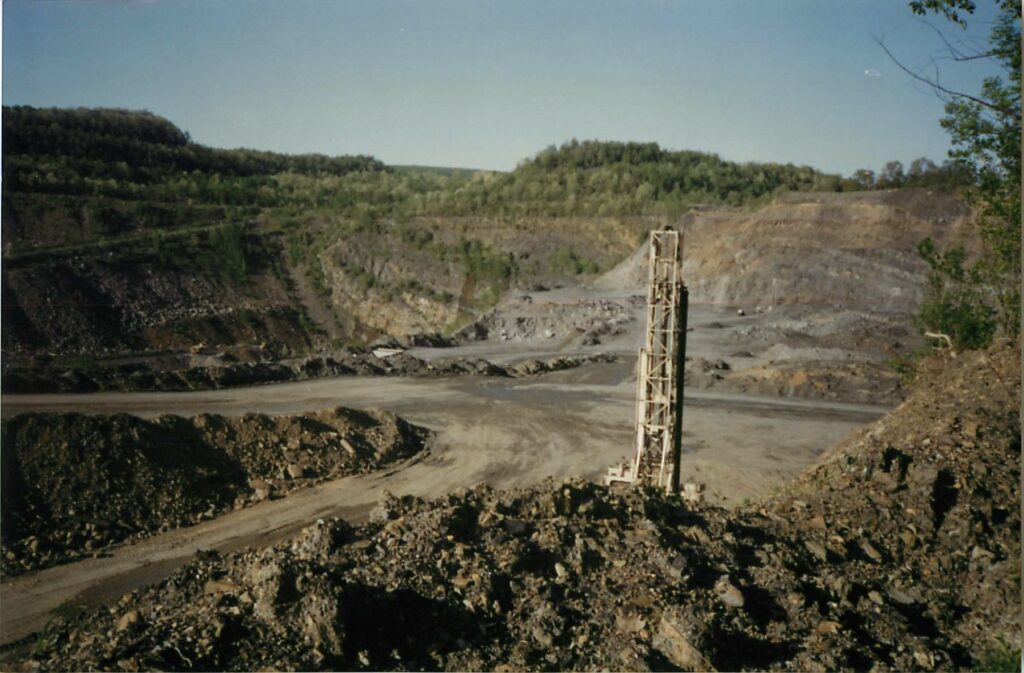
Bankrupt companies walked away from environmental cleanup obligations, leaving polluted land, unstable underground mines, and massive mountaintop-removal scars. States and taxpayers were left to absorb the cost.
Appalachia alone contains hundreds of thousands of acres of unreclaimed or poorly reclaimed mine lands. In many areas, the cost to clean up abandoned mine lands far exceeds available funds- jeopardizing water quality, public health, and future economic development.
A Turning Point: Transition as Opportunity
While the crisis is significant, it has also sparked a movement toward economic transformation grounded in justice, sustainability, and community leadership.
- Coal communities are increasingly:
- Reclaiming mine lands for agriculture, tourism, and restoration jobs
- Exploring renewable energy development
- Attracting emerging industries and small businesses
- Leveraging federal funding for reclamation and transition
- Building worker retraining and apprenticeship programs
The end of coal does not have to mean the end of coal communities.
The collapse of the coal industry underscores a crucial lesson: transitions do not happen to communities- hey must happen with them. Thoughtful planning, strong policy, and well-funded programs can transform regions once dominated by extraction into places that thrive on innovation, resilience, and economic diversity.
Why This Timeline Matters
Understanding the chronology of coal’s collapse helps reveal:
- How the decline unfolded
- The decisions that led to major job losses
- The role bankruptcy played in worsening community hardship
- The opportunities available today for economic renewal
This story is not just about the past. It is about a turning point-and the urgent work ahead to ensure a just transition for all coalfield communities.
Timeline of Major Coal Industry Bankruptcies & Closures (2012–Present)
2012–2015: The First Wave of Collapse
2012 – Patriot Coal (Bankruptcy)
Patriot Coal filed for its first bankruptcy, citing rising production costs and decreased demand. This marked the early signals of widespread industry instability.
Patriot Coal eliminated thousands of jobs across two bankruptcy filings.
**2014 – James River Coal (Bankruptcy)
2014 – Walter Energy (Bankruptcy)**
James River Coal and Walter Energy both entered bankruptcy within months of each other, citing market pressures, debt load, and widespread competition from natural gas.
High debt and cheap gas created the perfect storm for early failures.
2015 – Alpha Natural Resources (Bankruptcy)
Alpha Natural Resources- one of the largest U.S. coal producers- filed for bankruptcy after accumulating more than $4 billion in debt.
At the same time Alpha cut retiree benefits, executives sought nearly $12 million in bonuses.
2016–2018: The Industry Unravels
2016 – Peabody Energy (Bankruptcy)
Peabody, the world’s largest private-sector coal company, filed for one of the biggest bankruptcies in industry history.
2016 – Arch Coal (Bankruptcy)
Arch Coal followed Peabody in the same year, filing for Chapter 11 bankruptcy and restructuring over $5 billion in debt.
2017 – Armstrong Energy (Bankruptcy and Closure)
Armstrong Energy declared bankruptcy after failing to rebound from years of declining market competitiveness.
2019–2020: Collapse Accelerates
2019 – Blackjewel LLC (Bankruptcy & Sudden Mine Closures)
Blackjewel filed for bankruptcy so suddenly that miners showed up to work to find themselves locked out. The corporation seized paychecks, leaving workers unpaid and stranded.
Blackjewel’s collapse left miners literally blocking coal trains to demand their wages.
2019 – Murray Energy (Bankruptcy)
Murray Energy-the largest privately owned coal company in the U.S.- collapsed under massive debt and dwindling demand.
2020 – Navajo Generating Station & Kayenta Mine (Closure)
The iconic Arizona power plant and the mine that fed it closed permanently, marking one of the largest coal power closures in the Southwest.
Entire regional economies felt the shock when the West’s last large coal plant went offline.
2021–Present: A Changing Energy Landscape
2021 – Coal Production Hits New Lows
U.S. coal consumption fell to its lowest level since 1965. Utilities accelerated the retirement of coal plants nationwide.
2022–2024 – Ongoing Power Plant Closures
- Hatfield’s Ferry (PA)
- Cheswick Generating Station (PA)
- Joppa Power Station (IL)
- San Juan Generating Station (NM)
- Marion County Generating Station (IN)
- Several smaller closures across the Midwest and Southeast
More than half of all U.S. coal-fired power plants have closed since 2010.
2023 – Blackhawk Mining (Bankruptcy)
Another major bankruptcy underscored ongoing volatility, especially among Eastern coal companies.
Looking Ahead
The timeline shows a clear trend: the decline isn’t pausing- it’s accelerating. Bankruptcy after bankruptcy reflects deeper structural market changes, not temporary setbacks.
📊 Key Facts About the Coal Industry Crash
- Over 60% of U.S. coal plants have shut down or announced retirement since 2010.
- Coal mining employment dropped from 90,000+ workers in 2012 to under 40,000 today.
- Coal production peaked in 2008, then dropped by more than 50% in a decade.
- The coal industry shed tens of billions in debt through bankruptcies since 2012.
- Bankrupt companies have abandoned billions in mine cleanup liabilities.
- Natural gas is now nearly 3× cheaper for utilities than coal.
- Renewable energy is the fastest-growing electricity source in the United States.