Coal’s economic legacy has left communities struggling- but sustainable economic transition offers hope.
The story of coal isn’t just about jobs or energy. It’s about communities trapped in economic systems that prioritize industry profits over human well-being. Economic justice ensures fair opportunities, diversification, and community-led development in coal-impacted regions.
The Legacy of Coal in Our Communities
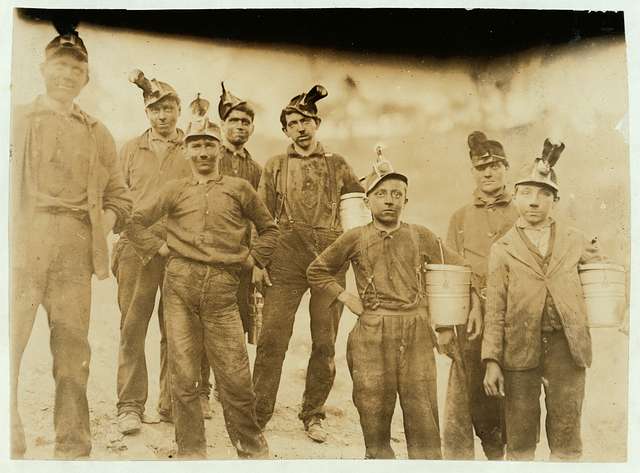
Historical Context:
Coal mining has long been intertwined with the economy of Appalachian and other coal regions, but the legacy left behind is far from sustainable. As historian Harry Caudill noted, coal and timber companies historically retained nearly all the wealth they generated, investing only minimally in schools, healthcare, libraries, and other public goods. This concentrated wealth left communities vulnerable and dependent on a single, volatile industry. Even as technology advanced and coal production remained high, employment in coal mining declined dramatically, leaving communities with fewer opportunities and limited resources to pursue alternative economic development.
Why Economic Diversity Matters
Economic diversity is key to building resilient communities. When a region relies heavily on one industry, such as coal, it becomes highly vulnerable to market shifts and technological changes that threaten employment. For decades, coal-dependent regions have faced limited opportunities outside of the mines. Studies by the Appalachian Regional Commission reveal that many coal counties continue to rely heavily on semi-skilled labor in mining, while areas with more diverse economies show higher wages and stronger long-term growth. Sustainable economic development requires investment in education, healthcare, infrastructure, and industries beyond coal to provide a foundation for lasting prosperity.
Understanding the People vs. the Industry
It is crucial to separate the hardworking coal miners from the corporate entities that control the industry. Miners often face dangerous working conditions, limited wages, and economic dependency on the very companies that exploit them. The coal companies, however, have historically wielded significant political and financial power, influencing government policy to protect profits rather than workers or communities. Recognizing this distinction allows advocates to target the systemic problems created by the industry while supporting miners in their pursuit of safety, fair wages, and community well-being.
The Collapse of Coal and Its Impact on Communities
The decline of the coal industry has left economic and social challenges in its wake. Company bankruptcies, mine closures, and layoffs have devastated regions that depended on coal for decades. In many cases, corporate executives have secured substantial bonuses even as workers lose pensions and benefits. For example, Alpha Natural Resources’ 2015 bankruptcy highlighted the contrast between executive payouts and the hardships faced by miners. Without proactive economic planning and community-led initiatives, these regions are at risk of further economic stagnation and population loss.
Click HERE to read “From Boom to Bust: The Real Story of America’s Coal Collapse” to learn more.
Doing the Right Thing: A Path Forward
Sustainable economic development is possible. Technology and innovation can support good-paying jobs while protecting the environment. Communities can pursue renewable energy, manufacturing, infrastructure projects, and small business development as alternatives to coal dependency. Rather than relying solely on top-down development initiatives, involving local residents in planning ensures that projects meet community needs and create lasting opportunities. Collaboration, knowledge sharing, and investment in education and training programs are essential components of a successful transition.