The impacts don’t end when the coal is gone
Coal has powered the nation for generations, but the environmental costs have never been evenly shared. In coalfield communities across Appalachia and beyond, the effects of mining linger long after extraction stops, shaping landscapes, waterways, and daily life in ways that are often invisible to those outside the region.
For many communities, coal’s legacy is not history. It is something they live with every day.
A Landscape Altered, Often Permanently
Coal mining reshapes land in ways that are difficult, and sometimes impossible, to fully undo. Forests are cleared, hillsides are cut away, and underground voids are left behind. In some areas, entire watersheds have been altered: streams diverted, buried, or drained as a result of mining operations.
Even where reclamation has occurred, the land rarely returns to its original condition. Compacted soils struggle to support native vegetation. Slopes remain unstable. Former mine lands can limit future use for farming, housing, or recreation, leaving communities with fewer options for long-term economic recovery.
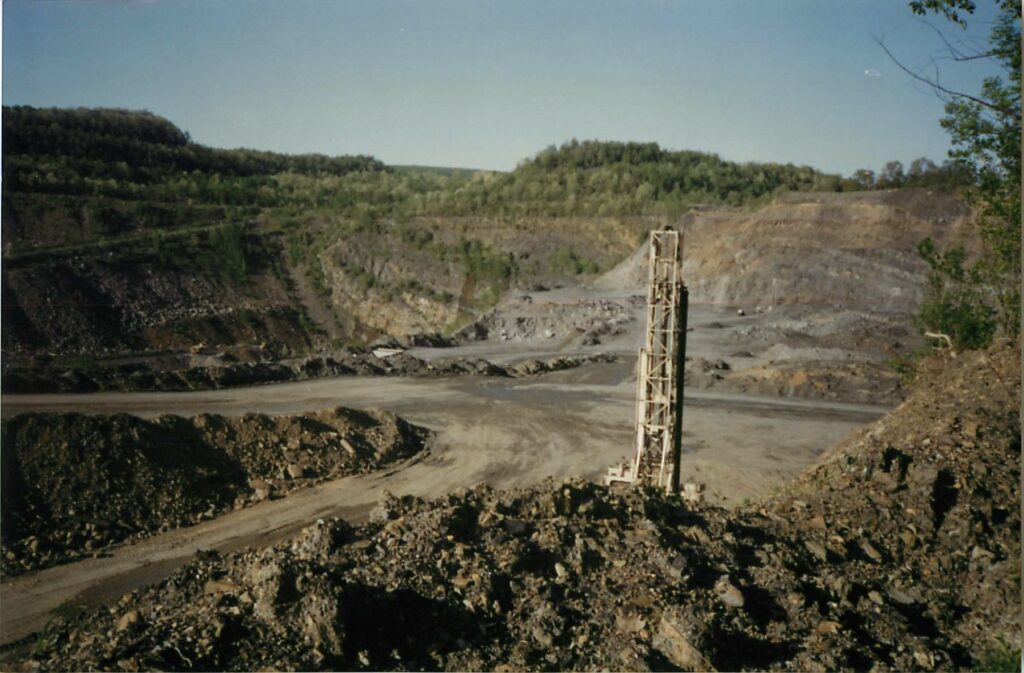
Reclamation is often treated as the end of the story, but for communities, it’s just the beginning of living with what’s left behind.
Water That Can’t Be Taken for Granted
One of coal’s most enduring environmental impacts is on water. Mining can fracture underground aquifers, drain streams, and contaminate groundwater with metals and sediment. Acid mine drainage, the result of exposed sulfide minerals reacting with air and water, continues to pollute thousands of miles of streams, turning them orange and lifeless.
In underground mining areas, particularly where longwall mining is used, residents have watched springs disappear, wells run dry, and streams lose flow altogether. In many cases, replacement water is provided. But replacement is not restoration, and it often comes with new costs, new risks, and long-term uncertainty.
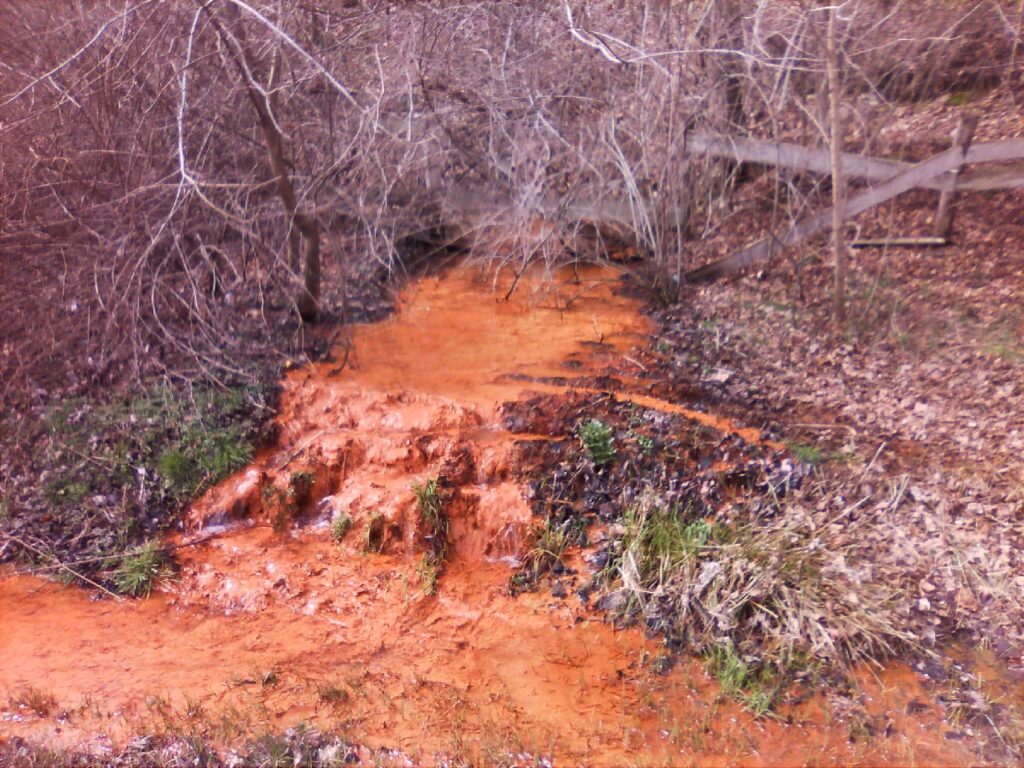
Across coal mining states, thousands of miles of streams are impaired by historic and ongoing mining impacts, many in communities that rely on private wells and small water systems.
Air, Dust, and the Burden of Exposure
Coal’s environmental footprint doesn’t stop at land and water. Dust from mining operations, coal processing, blasting, and transportation becomes part of the air people breathe. Fine particulate matter can travel well beyond mine boundaries, settling on homes, cars, and crops.
For residents living near mines, coal facilities, or haul roads, exposure is constant, not episodic. Over time, this burden adds up, contributing to respiratory problems and compounding existing health disparities in communities that already face economic and healthcare challenges.
Abandoned Mines: Hazards That Don’t Age Out
Across coal country, abandoned mine lands remain a persistent threat. Open portals, unstable highwalls, mine fires, subsidence zones, and polluted waterways pose risks to public safety and the environment decades after mining has ceased.
While federal reclamation programs exist, funding has historically fallen far short of the need. Decisions about which sites are addressed, and how, are often made without meaningful community input. As a result, many of the most dangerous sites remain untouched, while communities continue to live with the consequences.

Abandoned doesn’t mean harmless. It means someone walked away, and the public was left holding the risk.
Environmental Impacts Are Also Justice Issues
Coal’s environmental legacy is inseparable from questions of equity and justice. Mining impacts are concentrated in rural, low-income communities and communities of color, places with limited political power and fewer resources to respond when harm occurs.
Too often, residents must fight for basic protections: clean water, safe land, honest monitoring, and enforcement of laws that already exist. The result is a pattern where environmental harm is normalized, and accountability is treated as optional.
CCC’s Role: Making the Impacts Visible and Actionable
Citizens Coal Council has spent decades documenting coal’s environmental legacy and pushing for stronger oversight, better enforcement, and community-centered solutions. Our work connects on-the-ground experiences with policy, data, and regulatory systems that too often overlook what communities are reporting.
We work alongside residents to:
- Document environmental damage
- Elevate local concerns to state and federal regulators
- Challenge inadequate oversight and weak enforcement
- Advocate for reforms that prevent future harm
Coal’s impacts didn’t happen by accident, and addressing them requires more than acknowledgment. It requires transparency, accountability, and sustained attention to the people who have lived with the consequences for generations.
Additional Resources
Federal Agencies & Public Data
Office of Surface Mining Reclamation and Enforcement (OSMRE)
The federal agency responsible for overseeing coal mining regulation and abandoned mine land reclamation under SMCRA.
Useful for: mine permitting, reclamation programs, enforcement authority, AML inventories.
U.S. Environmental Protection Agency (EPA)
Provides data and oversight related to water quality, air pollution, toxic releases, and public health impacts linked to mining and power generation.
Useful for: Clean Water Act impairments, air quality standards, environmental justice screening.
Mine Safety and Health Administration (MSHA)
Tracks mine safety violations, enforcement actions, and accident history.
Useful for: understanding patterns of noncompliance and industry accountability.
U.S. Geological Survey (USGS)
Offers scientific research on watersheds, groundwater, land subsidence, and mining-related environmental impacts.
Useful for: technical context and long-term environmental monitoring.
Abandoned Mine Lands & Reclamation
OSMRE Abandoned Mine Land (AML) Program
Central source for information on abandoned mine hazards, reclamation priorities, and federal-state funding programs.
Appalachian Regional Commission (ARC)
Research and funding programs focused on economic transition, environmental remediation, and community development in coal-impacted regions.
Health & Environmental Impacts
Centers for Disease Control and Prevention (CDC)
Research on respiratory disease, environmental exposures, and health disparities in mining regions.
Agency for Toxic Substances and Disease Registry (ATSDR)
Public health assessments and exposure evaluations related to contaminated sites, including mining-impacted communities.
National Institute for Occupational Safety and Health (NIOSH)
Research on coal dust exposure, black lung disease, and worker health — with implications for surrounding communities.
Research & Independent Analysis
Earthjustice
Legal analysis and casework on coal mining impacts, water pollution, and regulatory enforcement failures.
Environmental Integrity Project
Data-driven reports on environmental enforcement, water quality violations, and regulatory oversight gaps.
Center for Coalfield Justice
Community-based documentation of coal’s impacts on water, land, and public health — particularly useful for grounding issues in lived experience.
West Virginia Rivers Coalition
Longstanding research and advocacy around acid mine drainage and stream degradation.
Mapping & Public Access Tools
EPA EJScreen
An environmental justice mapping tool that overlays pollution burdens with demographic data.
National Map (USGS)
Topographic, hydrologic, and land-use data useful for understanding mining impacts spatially.
OSMRE e-AMLIS (Abandoned Mine Land Inventory System)
Federal database of known abandoned mine hazards across the country.