A Landscape Marked by What Was Left Behind
Across coal country, abandoned mines still shape the lives of the people who live above them.
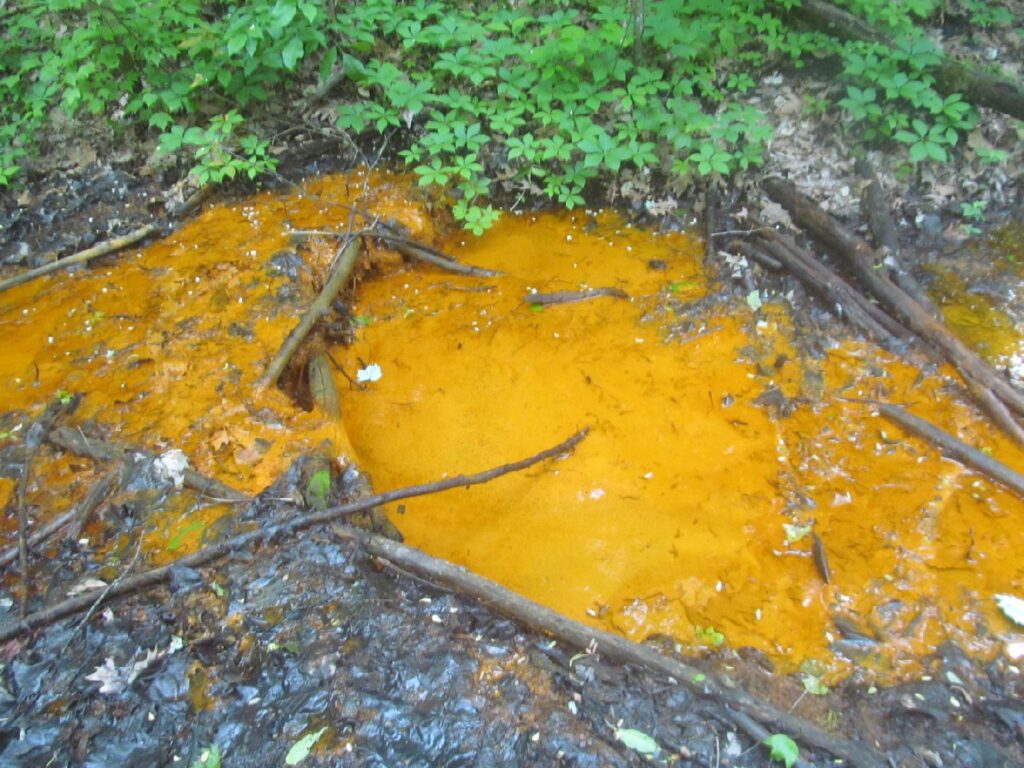
Drive through coal country- Appalachia, the Midwest, the Intermountain West- and you’ll see it: the quiet scars left long after the last coal truck rolled away. Highwalls slicing through ridgelines. Collapsed portals hidden by brush. Valley bottoms where the land buckles unexpectedly. Streams that once ran clear now stained orange, carrying the signature of acid mine drainage.
For generations, coal companies extracted enormous wealth from these landscapes, then disappeared, leaving families, towns, and tribal nations to live with the consequences. More than five million Americans live within a mile of an abandoned mine. That means the danger is not far away or theoretical; for many, it’s literally in their backyard.
Abandoned mines don’t just represent what the industry left behind.
They represent what communities were forced to carry.
Across the U.S., abandoned mines have meant damaged homes, unsafe drinking water, restricted land use, contaminated streams, and the steady erosion of local economies. And yet there is also an enormous opportunity in front of us.
Billions of dollars in federal reclamation funding are now available to heal these places. But access does not guarantee impact. And historically, the communities closest to the harm have had the least say in how their lands are restored.
That’s why Citizens Coal Council exists.
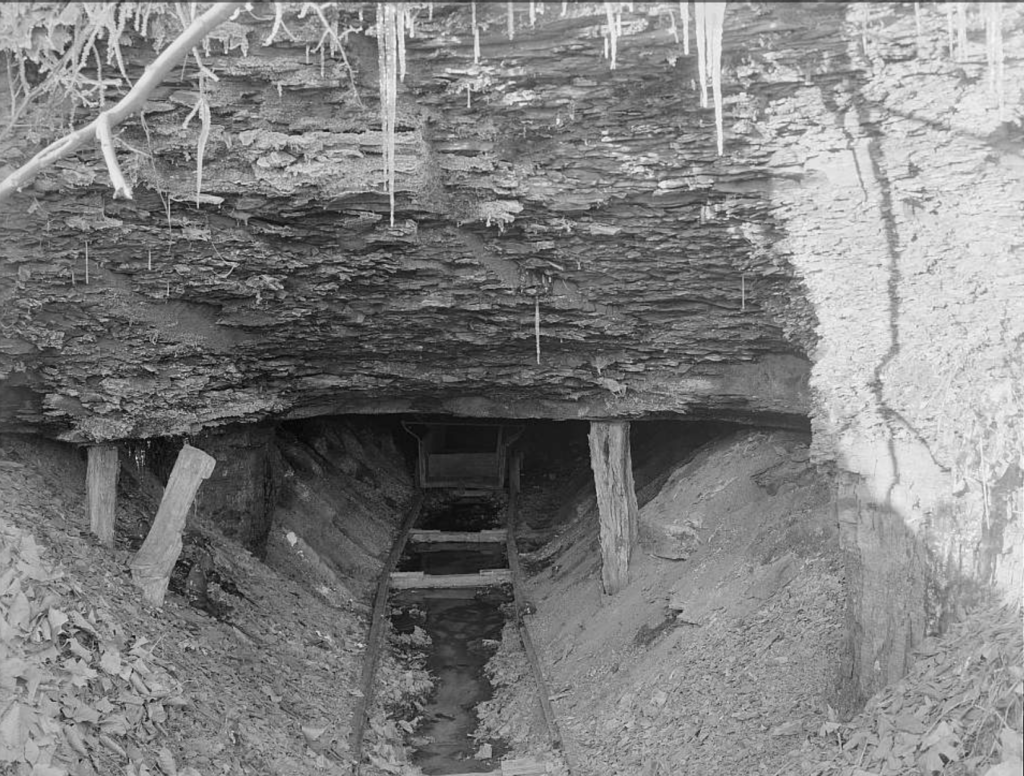
Abandoned Mine Land (AML) refers to coal mine sites that were left unreclaimed, usually before the 1977 Surface Mining Control and Reclamation Act, where companies walked away without restoring the land, leaving behind hazards like unsafe slopes, polluted water, open mine shafts, and unstable ground.
Our Work: Making Sure Reclamation Serves the People Who Live With the Impacts
While much of the reclamation conversation centers on funding, CCC focuses on something equally important: making sure that money is used well, transparently, and in ways that genuinely serve coalfield communities.
Our role is not to celebrate the promise of federal programs—we track whether that promise is kept.
Watching where the money goes
Federal and state agencies make daily decisions about which sites get cleaned up, how quickly, and to what standard. We monitor:
- Whether the most dangerous sites are prioritized
- How states justify their project lists
- If community feedback is taken seriously
- Whether spending matches what was promised
- How federal agencies oversee state performance
A good reclamation plan starts with listening, and that hasn’t always happened.
Making sure communities lead, not just react
Reclamation that happens to a community rarely succeeds. Reclamation that happens with a community has the power to transform a region.
We work with residents and local organizations to ensure that:
- Community voices shape project design
- Environmental justice principles aren’t an afterthought
- Restoration supports long-term health, safety, and resilience
- Land is not simply repurposed for new industrial harms
Pushing for strong, enforceable standards
Some states have robust reclamation programs. Others are underfunded, understaffed, or inconsistent. CCC advocates for:
- Stronger federal oversight when states fall short
- Uniform national standards for reclamation
- Clear rules that prevent future abandoned mines
- Transparent reporting so the public can track progress
Following the paper trail- because not all “abandoned” sites truly are
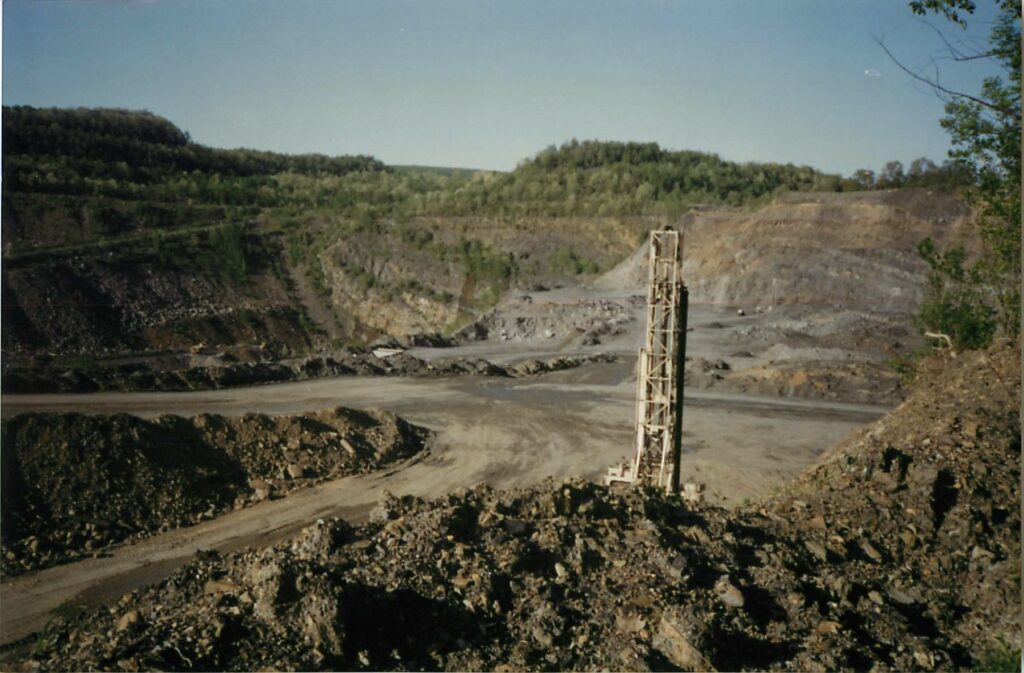
Many mines labeled “abandoned” are more complicated. Ownership may have shifted. Companies may have declared bankruptcy or reorganized. Some are “zombie mines”: not active enough to be regulated, not inactive enough to be cleaned up.
We help communities understand:
- The difference between pre-law AML sites and post-law bond-forfeiture sites
- When a company still has liability
- How to push agencies to enforce obligations
- How to challenge the neglect of long-term pollution

Why This Matters: A Chance to Build Something Better
Reclamation is not just about filling voids or neutralizing pollution. It’s about healing places where people still live, work, and raise families. Done well, it can:
- Restore streams and watersheds
- Reopen land for safe public and ecological use
- Reduce flooding and subsidence
- Improve community health
- Support local jobs in restoration work
- Rebuild economic opportunity in areas left behind
But this only happens when communities have power, when agencies are transparent, and when the cleanup matches the scale of the harm.
CCC’s commitment
We fight to make sure reclamation is done in ways that honor the people who have lived with these impacts for decades, not in ways that are easiest for agencies or most profitable for contractors.
We believe that abandoned mine lands should tell a different story in the future…not one of neglect, but of restoration, accountability, and community strength.
Resources
Federal Resources
- Office of Surface Mining Reclamation and Enforcement (OSMRE) AML Program Overview
Provides national AML program structure, funding, state/tribal responsibilities, and current initiatives. - OSMRE e-AMLIS (Abandoned Mine Land Inventory System)
National database where users can view AML hazards, locations, and project details. - Bipartisan Infrastructure Law- AML Reclamation Funding
Overview of the new funding streams and annual allocations for AML cleanup.
Mapping & Environmental Data Tools
- EPA EJScreen (Environmental Justice Screening Tool)
Useful for assessing vulnerable populations near AML hazards. - USGS Water Quality Data (NWIS)
Helpful for communities monitoring streams affected by AML drainage.